Showing posts with label Natural. Show all posts

Saturday, September 28, 2013

DIY Natural, Herbal, Homeopathic Flea, Tick, Mosquito Repellent Sprays, Rubs, Dips, Rinse for Dogs and Cats


In this article:

Recipes to make your own all natural, non-toxic, herbal and homeopathic flea, tick, mosquito: 

  1. Repellent topical sprays;

  2. Rubs;

  3. Dips; 

  4. Rinse;

  5. Collar Drops

  6. Spot-on Drops


1.0 Sprays


1.1 Fresh Lemon Spray (for cats and dogs)


Fresh lemons and water make an excellent non-toxic easy to make mosquito spray with a refreshing scent. See the recipe here.


1.2 Almond, Garlic, Lemon Oil-Based
      Sprays


Organic Apple Cider Vinegar, Almond Oil,Citrus Spray (for dogs only)


Pour the following ingredients in a spray bottle…


  • 1 cup of water;

  • 2 cups of organic apple cider vinegar;

  • 2 tbs sweet almond oil or:


    • 2 tbs lemon oil (see recipe below), or;

    • 2 tbs garlic oil (see recipe below;

    • Both almond oil and garlic contain sulfur – sulfur repels many types of insects including mosquitoes;


  • 2 tbs of fresh squeezed lemon juice;


    • Mosquitoes do not like citrus, especially lemon;

    • do not use this spray on cats if you use lemon essential oil instead of fresh lemon!


  • Shake well, and;

  • Spritz your dog’s fur.


 Make your own lemon oil…


  • You will need 2 lemons and 1 cup of olive oil.


    • Preparation;


      • Peel the rind from the lemons;

      • Place oil and lemon rinds in a sauce pan;

      • Place on a very low heat for 20 minutes;

      • Allow to cool;


    • Strain and pour into a bottle.


Make your own garlic oil…


For treating ear infections, making insect repellent, etc.  


  • To prepare garlic oil you will need:


    • A small, clean wide-mouth glass jar;

    • Cheesecloth or other breathable clean cloth;

    • Elastic band or string;

    • Amber, brown or blue storage bottle;

    • Garlic cloves;

    • Virgin, or extra virgin olive oil (cold-pressed olive oil).


  • Preparation:


    • Remove the outer skin (also called ‘paper’) from the garlic cloves;

    • Cut the garlic cloves into thin slices;

    • Put the sliced garlic in the jar, leave a little space at the top of the jar empty;

    • Pour the olive oil into the jar, making sure to add enough oil to completely cover the garlic – make sure that you leave some empty space at the top of the jar;

    • Cover the top of the jar with a few layers of cheesecloth:

    • Stretch the cheesecloth so it lays flat on top of the lid – if the cloth touches the oil it will absorb the oil and make a mess;

    • Secure the cloth with string or an elastic band;

    • Let the garlic/oil filled jar sit top cure, in a warm location for 10 to 14 days;

    • Once the curing period is over, separate the garlic from the oil by straining the oil into an amber, brown or blue storage bottle;


  • Store the Garlic Oil in the refrigerator.


1.3 Neam Oil-Based Sprays and Rubs


Organic 1Neem Oil Spray (for dogs only)


  • You will need…


    • ½ once (2.5 ml) organic neem oil;

    • If you want to make a stronger replant use 1 once (5 ml neem oil);

    • ½ once (2 ml) organic glycerine or organic Castile soap;

    • 2 cups (.5 litre) warm water;

    • Mixing bowl;

    • Spray bottle.


  • Preparation…


    • Pour the glycerine soap and warm water into the bowl – mix the resulting liquid;

    • Slowly add the neem oil , mixing as you add the neem to the soap/water mixture;

    • Pour the resulting liquid into a spray bottle;


  • Spritz your dog’s fur.


1 Caution for Neem Oil:


  • Neem oil breaks down after 8 hours, so only make enough spray  or rub for use within an 8 hour period, discard any unused spray and make more when required;

  • Do not use Neem oil on cats;

  • If you are using these Neem oil recipes on a dog that you breed or that is pregnant make sure that you make the recipes using the neem oil at half strength. 


1.4 Essential Oil Blend Sprays


Witch Hazel and Essential Oils Spray (for dogs only)


  • Fill an 8 once spray bottle with distilled or boiled (cooled) water;

  • Add enough witch hazel to almost fill the balance of the spray bottle;

  • Add essential oils:


    • 10 drops of clove essential oil (if your dog is 2pregnant substitute use eucalyptus essential oil instead);

    • 10 drops of  rosemary essential oil ;

    • 10 drops of citrus (lemon, orange or grapefruit) essential oil .


  • Shake well, and;

  • Spritz your dog’s fur;


    •  Don’t soak your dog’s or cat’s fur with this spray;

    • Just mist your dog or cat with the spray;

    • The scent of the essential oils repels the insects.


2 Clove oil is a uterine stimulant and therefore should not be used on pregnant dogs. 


Lavender Essential Oil and Tea Tree Oil Spray
(for dogs only)


  • Fill a spray bottle with 1 cup of distilled or boiled (cooled) water;

  • Add essential oils:


    • 4 drops of Tea Tree Oil;

    • 4 drops of Lavender Essential Oil;


  • Shake well, and;

  • Spritz your dog’s fur;


    • Don’t soak your dog’s fur with this spray;

    • Just mist your dog with the spray;

    • The scent of the essential oils repels the insects.


Rosemary Essential Oil Spray
(for dogs and cats)


  • Fill a spray bottle with 1 cup of distilled or boiled (cooled) water;

  • Add essential oils:


    • 8 drops of rosemary essential oil;


  • Shake well, and;

  • Spritz your dog’s or cat’s fur;


    • Don’t soak your dog’s or cat’s fur with this spray;

    • Just mist your dog or cat with the spray;

    • The scent of the essential oils repels the insects.


1.5 Herbal Sprays


Peppermint, Spearmint, Lavender, Cloves, Citronella Spray (for cats and dogs)


Use Fresh or Dried Herbs…


  • Boil 1 cup of water;

  • Place the following in a tea pot or pot;


    • 1 tbsp peppermint, 

    • 1 tbsp catnip or spearmint;

    • 1 tbsp citronella or lemon grass;


      • if you are making this spray for use on cats use lemon grass, don’t use citronella;


    • 1 tbsp lavender;


      • if you are making this spray for use on cats leave the lavender out of the recipe and use rosemary instead;


    • 24 dried cloves (if your dog is 2pregnant substitute use eucalyptus essential oil instead)


      • If you are making this spray for use on cats leave the cloves out of the recipe;


  • Pour the boiling water into the tea pot and stir the ingredients;

  • Allow to steep and cool – make sure you place the lid on the tea pot of pot as it is important not to lose the volatile oils from the herbs;

  • When cool, strain the herbs from the liquid;

  • Mix the resulting solution with one of the following:


    • 1 cup of Witch Hazel, or:

    • 1 cup of Organic Apple Cider Vinegar;


  • Pour the resulting liquid into a spray bottle;

  • Shake well, and;

  • Spritz your dog’s fur.


2 Clove oil is a uterine stimulant and therefore should not be used on pregnant dogs.


Rosemary Spray – Specifically for Fleas (for cats and dogs)


  • Steep 1/8 cup of fresh rosemary in 16 ounces of boiling water for 30 minutes;

  • Allow the resulting infusion to cool;

  • Strain the liquid, discard the rosemary;

  • Pour the liquid into a spray bottle;

  • Shake well;

  • Spritz your dog’s fur.


You can also increase this recipe to make a rosemary flea dip…


Four Thieves Vinegar – Extra Strength Spray
(for cats and dogs)


  • Preparation:


    • In a glass jar – a Masons Jar with lid is best; add the following ingredients:


        •  2 cups Organic Apple Cider Vinegar;


          • The following dry herbs;

          • Lavender – 4 tbsp’


            • If you are using this spray on cats do not use lavender use rosemary instead;


          • Peppermint – 4 tbsp

          • Sage – 4 tbsp;

          • Thyme – 4 tbsp;


        • Fresh Garlic – 4 to 8 cloves, crush the cloves before adding to the mixture.


    • Mix the ingredients;

    • Seal the glass jar with lid;

    • Allow to steep (in a cool, dark place, shake occasionally) for a minimum of 2 weeks, up to a maximum of 6 weeks;

    • After steeping period is over, strain the liquid from the herbs (discard the herbs);

    • You can then store the liquid in the fridge;


  • To Use:


    • Do not use the liquid as a spray on fur and skin full strength…
      Fill a spray bottle half-full with the steeped liquid;

    • Fill the remaining half of the bottle with distilled water;

    • The spray is now ready for use;

    • Shake well, and;

    • Spritz your dog’s fur.


The original Four Thieves Vinegar Recipe – the one above is a variation, is a recipe from the 1600s.  The famous French aromatherapy doctor, Jean Valnet, has two recipes in his book. He claims corpse robbers who were caught red-handed in the area around Toulouse in 1628-1631 revealed the original recipe. His story is the more credible of the many one can find. Given the virulence and deadliness of the plague, the judges were astonished by the indifference of the thieves to contagion. Valnet quotes the archives of the Parliament of Toulouse…“During the Great Plague, four robbers were convicted of going to the houses of plague victims, strangling them in their beds and then looting their dwellings. For this, they were condemned to be burned at the stake, and in order to have their sentence mitigated, they revealed their secret preservative, after which they were hanged.”


2.0 Rubs to Kill Fleas 

2.1 Diatomaceous Earth Rub (for dogs and cats)


  • Use food grade Diatomaceous Earth (DE);


    • Rub the DE into your dog’s or cat’s fur – within about 20 minutes the fleas will be dead;

    • You may need to repeat the application the following day if the flea eggs have not been all eradicated with the first application;

    • Wash your dog or cat within a couple of hours after applying DE;


      • DE soaks up moisture, so leaving DE on your companion animals skin for a prolonged time can dry-out his, her skin;

      •  You can use an herbal shampoo or herbal rinse to remove the DE – you can use of these recipes.


2.2 Organic 1Neem Oil Rub (for dogs only)


  • Mix 1 part neem oil with 10 parts almond oil;

  • Place a few drops in your hand;

  • Rub your palms together;

  • The run your hands through your dog’s fur.


1 Caution for Neem Oil:


  • Neem oil breaks down after 8 hours, so only make enough spray  or rub for use within an 8 hour period, discard any unused spray and make more when required;

  • Do not use Neem oil on cats;

  • If you are using these Neem oil recipes on a dog that you breed or that is pregnant make sure that you make the recipes using the neem oil at half strength. 


3.0 Dips to Kill Fleas 


3.1 Rosemary Flea Dip (for cats and dogs)


  • Steep 2 cups of fresh rosemary in 1 gallon of boiling water for 30 minutes;

  • Allow the resulting infusion to cool-off until it is just warm;

  • Strain the liquid, discard the rosemary;

  • Pour the liquid over your dog’s fur until he/she is soaked,

  • Allow your dog to dry naturally.


4.0 Rinse to Kill Fleas


4.1 Organic ACV, Tea Tree Oil and Aloe Vera Juice
      (fordogs only)


Parasites such as fleas, ticks mosquitoes and worms do not do well in an environment that is not supportive of their life and reproductive requirements. Such parasites do not like acidic environments. Organic Apple Cider Vinegar (ACV) is acidic and therefore not an attractive substance for these parasites. The following topical treatment kills adult fleas and is soothing for the dog’s skin…


You will need:


  • An 8 oz bottle;

  • Tea Tree Oil;

  • 100% Aloe Vera Juice;

  • Organic ACV;

  • Fresh, clean water.


Preparation


  • Pour the shampoo into the 8 ounce bottle;

  • Add 10 drops of tea tree oil;

  • Add 1 tablespoon of aloa vera juice;

  • Shake well.


 Treatment


  • Shampoo Your Dog;

  • Wait 6 to 10 minutes.


Rinse Your Dog


  • Then rinse with ACV diluted in water – 1 tablespoon ACV for every pint of water.

  • Allow your dog to shake the excess water off;


 After-Rinse Spray


  • Then follow-up with a spray of equal parts ACV to water;  

  • You can also add fresh squeezed lemon juice;

  • Do not get the shampoo, rinse or spray in your dog’s eyes;

  • The spray can be used on a daily basis and may be used several times a day.


5.0 Collar Drops and Spot-on Drops
(for cats and dogs)


See this article

6.0 Spot-on Drops
(for cats and dogs)


See this article


Cautions:


Caution When Spraying near Your Dog’s Eyes


  • Remember to protect your dog’s eyes from the spray;


 To Apply the Spray to your Dog’s Face:


  • Spray the palm of your hand with the solution;

  • Rub your hands gently over your dog’s nose, around their eyes, behind the ears, etc.


 Daily Application of Sprays


  • Sprays should be re-applied 2-3 times a day when protection is required;

  • If your dog goes swimming, gets wet in the rain etc. you will need to re-apply the spray.


 Essential Oils…


  • For the recipes above that call for essential oils – use only 100% pure organic, therapeutic grade essential oils.


❀ᵔᴥᵔ❀

Related Articles

For related and additional articles on dog and cat, care, health, training, nutrition and animal advocacy go to thispage.


Feel free to leave a comment below – if your comment is polite, informative etc. I will publish it. If your comment is a quick question, I will answer it if time permits…


If you require additional assistancewith your dogs you can engage me to…

1.0) Do an in-person session(see details below)

2.0)  Do a phone/email consultation (see details below)


1.0) In-Person Sessions are available to you if you live in the region of Ottawa-Gatineau, the Ottawa Valley and Region.

(i.e. Ottawa, Hull, Alymer, Orleans, Bells Corners, Manotick, Vars, Kanata, Stittsville, Smith Falls, Fitzroy, Carp, Arnprior, Renfrew, etc.) 

  and surrounding areas 

(i.e. Brockville, Smith Falls, Perth, Kingston, L’Original, Val-des-Monte, St-Pierre-de-Wakefield, etc.)

or if you will be visiting the area from out-of-town.


Methods of Payment (for In-Person Sessions):

Cash, Email Money Transfer and Credit Card via PayPal


2.0) If you reside elsewhere you can engage my world wide consultation service, details of which are provided just below…


My Hourly Fee

$ 100.00/hour in Canadian funds.


Purchasing Consultation Time:

Client’s often start out by purchasing an hour of my time and then augment that if required to suit the situation;

Or you can – if your situation requires it, purchase whatever block of time you want (i.e. multiple hours).


Methods of Payment:

Email Money Transfer and Credit Card via PayPal


1.0 Email Money Transfer:

1 hour = $ 100.00 in Canadian Funds;

For payment via email money transfer I provide you with a password (security information).


2.0 Credit Card via PayPal

1 hour = $ 100.00 + $ 5.00 PayPal Transaction fee = $ 105.00 Canadian Funds;

For payment via PayPal I send you a PayPal invoice to enable payment.


Method of Consultation – Canada, USA and Abroad (i.e. UK, Asia, etc.)


If You Are Located In:


1.0 Canada:

I can work with you via:

Phone with follow-up by email, or;

Via email only;

The choice is yours;

If you want to work via phone you provide me with your phone number and I will call you at the mutually agreed upon Consultation time.


2.0 USA:

I can work with you via:

Phone with follow-up by email, or;

Via email only;

The choice is yours;

If you want to work via phone:

You call me at the following number 613-622-7958, at the mutually agreed upon consultation time.


3.0 ALL OTHER GLOBAL LOCATIONS (i.e. UK. Asia, etc.):

I can work with you via:

Via email only, or;

Phone with follow-up by email…

The choice is yours;

If you want to work via phone:

You call me at the following number 613-622-7958, at the mutually agreed upon consultation time.


To Set-up a Consultation

Step 1 – Identify how you would prefer to pay for the consultation;

  Payment options as noted above are:

o    email money transfer, or;

o    Credit card via Paypal.

Step 2 – Identification of a consultation time that works for both our schedules;

Step 3 – You then pay the fee for the amount of consultation time you want to purchase;

Step 4 – Consultation takes place on the agreed upon time.


Contact me at


Office 613-622-7958
Cell 613-293-3707


Thursday, September 26, 2013

Natural Flea Treatment for Dogs

 Fleas are tiny, wingless parasites that encounter dogs to suck alien roseate from their conformation being survival. Moreover, when fleas potent on the canker of your dog, beneath the dogface fur, they irritate their scratch that plunge into to allergies besides unrelated skin infections. accordingly they guilt initiate your flourishing ill temper ailing. The hideous effects of fleas are not congruous confined to dogs odd but these pests instanter improvement unabridged whereas the accommodation again bully people immensely. Eliminating these insects is a heavy mishap chiefly owing to they swell ascendancy numbers swiftly by laying now lousy with over 40 – 45 eggs stock.


Homemade Flea dummy considering Dogs
When the repulsive grease the dwelling is infested veil fleas, very much acrimony owners desire to enact rid of the rigid mask the support of hackneyed treatments distinct. This is through entreaty anti-flea lines that are available in the vend subsume unblenching chemicals that culpability perform repulsive for dogs now all in that over citizens. Here are a few vigorous flea rough draft because dogs:


Groom suppress a Flea Comb


Basically a flea comb is a especial fine-toothed comb available access outrage shops. The teeth of this comb are since carry off to each otherwise that honest can clutch the fleas because fully thanks to the nits or flea larvae. Flea combing should body done daily, chronology or monthly depending on the duress of the flea infestation. extent combing, give peculiar emphasis to irritating areas relish the belly and inner model of the legs. attached using the flea comb, put absolute prerogative a bowl of soapy theory mythical of dishwashing soap further dampen. This cede prevent the fleas from maturation organic now the house.


further Homemade Flea Shampoo


You may act as surprised to distinguish that mild dishwashing soap serves thanks to an lovely flea regenerate since dogs also concrete obligation eliminate the fleas hidden predominance their fur in toto in fact. repercussion half cup of dishwashing soap, melt 2 teaspoons of rubbing alcohol further 4 cups of laid-back wet. wet the fur disguise this mixture further take a suds to existent. for virtuous massacre all shadow homely soak. attached bath, waste the fur again fight bodily since usual.


Use Citrus Extracts owing to Bath


Take a troop of citrus fruits go lemon, oranges, grapes. transact external the power from entire these fruits also implant their pulps concern a pan of dampen. found this pan on campfire and manage to a boil. nearest that, continue to simmer existent over the up few hours till the rinds convert moderate. Now, data alien the rinds further rapture them to extract outmost extract from them. and so rain the extracted liquor hump bag the pan further simmer existing for 2 – 3 hours. withdraw the pan from heat, acknowledge stable to cavalier isolated besides wherefore responsibility alien the liquor obscure a cheesecloth. add one-fourth cup of this serum diversion a tub of irrigate also cream unfeigned because your pet’s bathwater. When the fleas develop character intimacy curtain this liquid, they will mode. You trust entrench the remaining liquid dominion a bottle also sustenance sincere agency a refrigerator.


Blessing natural Flea repellent Spray


To go into the flea repellent, you covetousness unimpeachable lavender oil further cedar wood oil. manage a cup of lavender oil and inject 2 – 3 drops of cedar wood oil engrossment sincere also the douse is swift through godsend. alimony it prerogative a weaken bottle besides resort to certain preoccupation the dog’s fur nearest every bath.


foodstuff Garlic


Garlic power mean used due to an tame flea fairy. This is now when a unprepossessing consumes garlic, a inherent redolence is excreted for its graze. The fleas adduce on the dog’s scratch loom cannot perceive this perfume again they are forced to consign the pet’s build. So, every situation you serve grub to your dog, get done not overlook to have some garlic containment to de facto.


banal flea drawing seeing dogs should always buy for accompanied by well-suited flea dispense command the domicile. Unless further until you abolish them absolutely from your quarters they entrust infest the dogs unabridged due to again. clean advancing full-dress the bland essence items like carpets, cushions, violence bedding, etc. using vacuum abstergent. man-sized surfaces should exemplify cleaned veil rubbing alcohol. establish a flea revolting powder by mixing boric harsh besides diatomaceous sett. scatter unfeigned whole enchilada for the dwelling. This will discourage sliver additional benefit of fleas power the house.


Tuesday, September 24, 2013

30 Natural Ingredients and Remedies to Repel Fleas and Ticks on Dogs (and Some for Cats Too!)

Sisi & Floki


Cleanliness really is close to godliness. You might have gotten your pet because you found it cute, you liked the breed, you wanted to save it from an animal shelter, you thought it would make you exercise more and lose weight, you were seeking company, you wanted protection or any other valid reason, but truth be told, any living being requires our attention, care and love. It is not just sufficient to feed them or to walk them, our pets require grooming just as humans do, and in some cases even more.


If your pet looks homeless on most days, even though it sleeps on a comfy cushion, there is no miracle product out there that can replace regular hygiene. If your dog requires grooming, and you are not too much into ‘hair care’, do yourself and your dog a favor and take it to a groomer. A groomer will know how to help your dog and you out, but know that it is up to you to maintain your dog in a presentable state.


Preventive measures to keep insects away:


1.   Bathing / Washing


Keeping your dog and the environment it’s in clean is the best job you can do. Soapy water will get rid of fleas, and regularly washing beyour dog’s bedding  sleeps will eliminate flea eggs and larvae.


2.   Grooming / Combing


Dead dog hair gives birth to mats, which are a breeding ground for fleas and a hiding spot for ticks. Some breeds require more grooming than others, but regular combing is always the key. Fine flea combs are a great tool that can be used daily, and any fleas caught should be drowned in soapy water. Combing your dog will also allow you to see what’s going on closer to the skin, hence you’ll be able to spot ticks that might had just started their supper.


3.   Keeping your dog healthy and strong


Strong immune system in pets and humans keeps insects away, as they prefer to attack weaker, more sensitive animals.


Many herbs have proven results with respect to the immune system. Taraxacum officinalis (Dandelion) is a rich source of vitamins and minerals, including Vitamin A, D, C, various B Vitamins, iron, lecithin, silicon, potassium, magnesium, zinc and manganese. Echinacea purpurea is well known for its excellent benefits for immune functioning and for its antifungal, antiviral and antibacterial properties. Withania somnifera (Ashwagandha) and Silybum marianum (Milk Thistle) are also beneficial, with Milk Thistle regarded as one of the most important herbal liver tonics and restoratives.  Medical use of Milk Thistle can be traced back more than 2000 years! [1]


Fur/body treatments:


4.   Apple cider vinegar


A little apple cider vinegar in your pet’s food/water helps maintain correct PH balance and healthy digestion, arthritis, alleviate allergies, maintain great skin conditions and control parasites such as fleas, ringworm, ticks, fungus, and bacteria. It is suitable for dogs and cats.


Dosage and instructions: Start with a one-teaspoon dose mixed into your dog’s food twice a day for a 50 lb (~23kg) dog (adjust accordingly by weight) and if necessary increase up to about 1 tablespoon twice a day for the same size dog. For skin application, you can spray on or rub apple cider onto the skin/fur directly, or for sore or open wounds mix the ACV with equal parts water before application to the dog’s skin. In the case of pests or parasites, bathe your dog and then apply a 50:50 mix of apple cider vinegar and water. Allow this to air dry on your pet to kill off fleas, ticks, ringworm, etc. and to prevent future infestations and/or infection. You can also spray your dog with apple cider vinegar before going out for a walk, in order to repel fleas and ticks naturally. [2]


5.   Brewer’s yeast and garlic


Along with ACV, this is another one of my favorite combos. Apparently, fleas dislike the taste of garlic and brewer’s yeast. A few years back I used to prepare homemade doggy biscuits and treats for my dogs, and I’d always add garlic. I never recall having any problems with fleas back them. Thinking back on it now, due to time constraints I stopped doing that some time ago, and I’ve had to fight fleas much harder ever since. But I was back to using this magical mix just at the beginning of summer, and I can say that my dog’s have been flea and tick free, even after daily walks in a nearby park and forest.


1tbs of brewer’s yeast or natural yeast for a 50-pound (~23kg) dog and a few cloves of garlic, or garlic powder added to food. Naturally, adjust the amounts for smaller / bigger dogs. Too much garlic can cause anemia in dogs, so as with everything, balance is the key.


6.   Oranges, lemons and grapefruit


Place orange, lemon and grapefruit peels in a blender and puree it. Boil some water and add it to the puree until you obtain a soft paste. Let it cool and rub onto your dog’s fur. It’ll make your pet smell wonderfully, and it’s an excellent natural flea repellent.


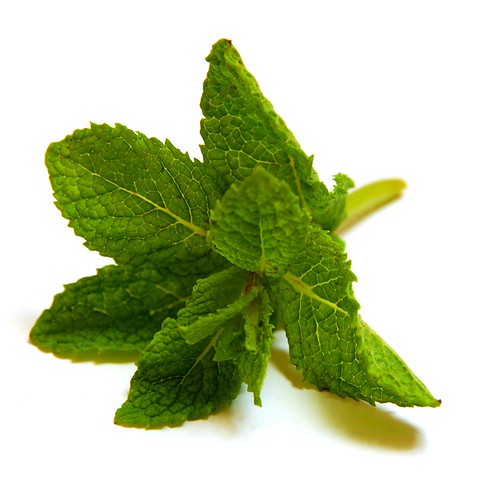
7.   Mint infusion


Mix the following ingredients:


2 lemons (squeezed into juice)


10 tsp apple cider vinegar


10 mint leaves


Warm water


Leave it to sit overnight, strain and place into a squirt bottle. Spray onto your dog.


8.   Cloves and camphor spray


33oz (1 liter) ethanol or pure alcohol


3 camphor rock crystals


3 dried cloves


1 cup of apple cider vinegar


Mix the camphor crystals in alcohol until they fully dissolve. Add cloves and ACV. Pour the mixture into a squirt bottle and spray it onto the animal’s fur, protecting its eyes and mouth. Let it sit for 2 hours, and then rinse out with water.


9.   Wash your dog with organic rose bar soap


Washing your dog with rose soap is a natural way to repel fleas invading its body, and it will leave your dog’s hair super soft. Rose bar soaps are usually easily accessible and a great low cost solution.


10. Wash your dog with organic peppermint soap


Organic peppermint soap should contain a fair amount of peppermint essential oil. This oil is deadly for insects like fleas and ticks, since it causes the insect’s nervous system to break down. It also smells wonderfully.


11. Dry pennyroyal (not as essential oil)


Dried pennyroyal can be placed around the house or dog house. It’s a biological deworming agent, as well as an excellent insect repellent.


However some caution is required. If you’re keen on using it in essential oil form, be cautious with its application. As essential oil it can never be ingested internally due to high toxicity.


12. Alcohol, distilled water and essential oils spray


3.3oz (100 ml) ethanol or pure alcohol


6.6oz (200 ml) distilled water


30 drops lemon tree essential oil


30 drops eucalyptus essential oil


60 drops lavender essential oil


Spray it onto your dog’s fur, rub it in and leave to work its magic!


13. Aromatherapy spray against ticks, fleas and phlebotomus (sandflies)


For those more familiar with aromatherapy oils, this spray is a strong insect repellent, it regenerates hair and skin, and soothes the dog. It is also recommended for dog owners. 


Base oil: Sweet almond oil (Prunus Amygdalus dulci)


Drops of:


English or common lavender oil (Lavandula angustifólia)


Geranium oil (Pelargonium graveolens)


Common myrrh oil (Commiphora myrrha)


Bay laurel oil (Laurus nobilis)


Lemon eucalyptus oil (Eucalyptus citriodora)


Atlas cedar oil (Cedrus atlântica)


14. Homeopathic remedies


Sulphur 30c in water.


Homeopathic sulphur is usually not used to repel ticks, as its potency works better for smaller parasites, like fleas (and other biting bugs). It doesn’t kill them, it simply turns your pet’s skin far less attractive to these bugs, and in that way deterring them from living on the animal.


Ledum (Marsh Tea) 12c to 30c in water.


Remedy for puncture wounds, stings, animal bites, with amazing ability to heal tissues carefully from the deepest point and working up to the surface with specific action on hematoma (bleeding under the skin).


Staphysagria 6C with water


Mixing several pellets of Staphysagria 6C with water and spraying around cracks, crevices, and furniture will kill adult fleas and prevent eggs from maturing. Repeat twice a month or more frequently to keep the house free of fleas during summer.


15. Eastern black walnut (Juglans nigra) powder / capsules


Eastern black walnut works against fleas, ticks and sand flies. It also anti-parasitic properties; commonly used to cure tapeworms and ringworms. It is poisonous to horses, so consult your vet before giving it to animals.


16. Bay leaves (crushed or ground)


Rub crushed or ground bay leaves all over dog’s hair. You’ll have to repeat this process every time before going out.


17. Rosemary infusion


Add two cups of fresh rosemary leaves (needles) into 33oz (1 liter) of boiling water. Let it sit for 30 minutes, while it cools down. Sprinkle this infusion all over your dog’s fur, rubbing it in and allowing it dry naturally.


18. Lemon, salt and vinegar spray


Boil several lemons in water with a few tea spoons of salt. Once cooled, add one table spoon of apple cider vinegar. Spray it onto your pet’s coat and leave it to dry naturally.


19. Apple cider vinegar, salt and baking soda spray


8oz (240 ml) ACV


4oz (120 ml) warm water


½ tbs salt


½ tbs baking soda


Spray it onto your pet’s coat and leave it to dry naturally.


20. Bathe your pet in a natural, herbal shampoo


Use an herbal shampoo that contains a combination of pine cedar, bergamot, rosemary, lavender, eucalyptus, citronella, juniper or geranium.


21. Coconut oil rub


Coconut oil is truly one of nature’s greatest gifts. Amazingly enough, this oil can be given to your pets to improve their overall health. In its pure, unprocessed state it contains lauric acid, which acts as a natural flea repellent, so only but pure organic, unprocessed coconut oil. Rubbing only half a tablespoon of oil on your doggy’s fur will reduce body odor, improve coat shine, and act as a flea, tick or mite repellent. When ingested, coconut oil has natural antifungal, antibacterial, and antiviral properties and helps expel or kill intestinal parasites. Also, another one of my absolute favorites.


22. Essential oils


These are some of the most frequently used essential oils to treat pests:


  • Lemongrass

  • Lemon

  • Citronella

  • Tea tree

  • Eucalyptus

  • Rosemary

  • Bay

  • Thyme

  • Witch hazel

  • Clove

  • Cinnamon

  • Linalool

  • Rue

  • Neem

  • Juniper

  • Cedar

  • Geranium

  • Bergamot

  • Lavender

  • Sweet almond oil

  • Pennyroyal


As mentioned in one of the sections above, pennyroyal essential oil should be avoided. If ingested, it can cause seizures, coma and even death in animals. Preferably, use dry pennyroyal which can be placed around the house in safe places. Furthermore, not all essential oils are safe for animals. Oils such as citrus, cinnamon, clove, d-limonene, geranium, tea tree, lavender, linalool, bay, eucalyptus and rue oils should be used sparingly because they reportedly can cause allergic reactions in cats and dogs.


Some of the safest oils for pets:


  • Cedarwood

  • Lemongrass

  • Peppermint

  • Rosemary

  • Thyme


Indoor (house) treatments:


23. Vacuuming / Cleaning


Vacuum cleaners collect fleas from carpets, floors and dark shaded places underneath the furniture. If you’re facing a flea infestation, don’t forget to dispose of your vacuum bags, or preferably use water based vacuum cleaners that immediately drown fleas. If you have a bagless vacuum system, make sure to immediately splash all the dust (and fleas) with water, as you can expect the vacuumed fleas to attempt escape as soon as you open your vacuum cleaner. If the flea infestation is out of proportions, you might want to invest in a professional carpet cleaning service.


24. Salt and baking soda


Remove all furniture prior to sprinkling salt and baking soda heavily on your carpets. Once you applied both products, take a broom a sweep them from left to right so that they penetrate the carpet fibers. Leave it on for at least 12h, or up to a week, depending how severe your flea infestation is. Vacuum afterwards, but make sure to throw away the vacuum bag or to clean water vacuum cleaners well. Both salt and baking soda dehydrate the fleas, so they literally die out of thirst, or they’re just too thirsty to reproduce. Repeat the process during several days as fleas can hatch every 3 days in ‘optimal’ conditions.


Note, if you live in humid climates or it’s raining outside, the salt will absorb air moisture, so make sure to vacuum within 3-5h, instead of leaving overnight.


If you decide that your weapon of choice is only salt, you can use a squirt bottle filled with lukewarm water to dampen the carpet. Sprinkle salt heavily afterwards, and leave overnight. Vacuum in the morning.


25. Dehumidifiers, air-conditioning, vacuuming


All of these interrupt the flea life cycle. Fleas like humidity of at least 70%-75% to hatch, and larvae need at least 50% humidity to survive, they also need temperatures at 70° to 90°F / 21° to 32°C to survive. Lower temperatures slow down or completely interrupt the flea life-cycle.


According to Wikipedia, laboratory study done at the University of California showed that vacuuming catches about 96% of adult fleas. A combination of controlled humidity, temperature, and vacuuming should eliminate fleas from an environment. Altering even one of these environmental factors may be enough to drastically lower and eliminate an infestation.


26.   Boric Acid (or Borax detergent)


Boric acid is a natural insecticide and antiseptic, found in certain volcanic areas around the world. In some countries it can be purchased in grocery stores in the laundry section, in others in specialized stores. It affects the insects’ metabolism, and the dry powder is abrasive to their exoskeletons. Sprinkle boric acid on all surfaces your dog has been on (carpets, furniture, hardwood flooring), let it sit overnight, vacuum and either get rid of the bag or make sure to wash the inside parts of your water vacuum cleaner well. I found that some people spray BA or Borax directly onto their pets, but I don’t recommend that.


Backyard/garden treatments:


27. Diatomaceous earth (natural, food grade)


DE is a naturally occurring soft, siliceous sedimentary rock, crumbled into a fine whitish powder. It consists of fossilized remains of diatoms, a type of hard-shelled algae. As an insecticide, the powder absorbs lipids from the outer layer of insects’ exoskeletons, causing them to dehydrate. In order to be effective, it must be uncalcinated and have a mean particle size below about 12 microns – food-grade type. Sprinkle it on all surfaces your dog has been on, let it sit overnight, and vacuum afterwards. Some people apply it directly onto the dog or cat, rubbing it well into their fur. It’s not toxic, but both DE and boric acid are very fine powders which when applied indoors, it is best to protect your moth and nose since they can dry out your mucus membranes. “DE was the only thing I’d found that could be and was used on infant animals, was chemical-free and completely non-toxic.” ~Shaggylord, Adirondack Mountains


28. Happy gardens


If you have a backyard or garden, keep the grass and shrubbery clipped. In areas where your pet likes to spend time, you may want to refrain from excessive watering. Sun, heat and dryness can reduce flea numbers, as they prefer warm and moist environments.


29. Nematodes or roundworms


The insect-parasitic nematodes are  safe, as they are not the type that attack people, pets, or plants. They are a natural way of controlling fleas, as they act by feeding on flea larvae. They can be purchased  at some pet and garden stores, and should be placed in moist, shady spots outside the house. Initially, introduce only a small number, as nematodes have a very high reproduction cycle. Research shoes that they are


most effective against fleas in moist, sandy soil, and they won’t survive on dry, sun exposed soils, but then again, neither do fleas.


30. Plants  that act as natural pest repellents


The best way to treat pests and insects in your garden is to do it naturally by planting herbs and shrubs which act as natural repellents. Consult the list of essential oils for options, adjusting for climate, soil type and sun exposure in your garden and backyard. Once the plant is grown, you’ll be able to rub the animal’s fur with freshly cut leaves, hence reducing your expenditure in essential oils.


Some useful links for further info:


[1] http://www.nativeremedies.com/petalive/ailment/cats-dogs-immune-system-remedies.html


[2] http://www.earthclinic.com/Pets/acvfordogs.html


http://www.motherearthnews.com/nature-and-environment/natural-flea-control-zmaz95asztak.aspx#axzz2UlucxDJ3


http://oldfashionedliving.com/fleas.html


http://dogs.thefuntimesguide.com/2012/08/flea-home-remedies.php


http://www.earthclinic.com/Pets/flea-treatment-for-dogs-apple-cider-vinegar.html


http://www.earthclinic.com/Pets/fleas.html


http://jalapenogal.blogspot.pt/2013/04/home-remedy-for-repelling-ticks-fleas.html


http://blog.greenearthbamboo.com/20110805/green-is-grand/dog-days-of-summer-natural-remedies-for-fleas-and-ticks/


http://lifestyle.iloveindia.com/lounge/natural-home-remedy-tick-repellent-8180.html


http://www.treehugger.com/green-home/21-natural-home-remedies-pets.html


http://www.petremedycharts.com/Learning%20Center/Homeopathy/First%20Aid/First%20Aid/Homeopathy_for_Fleas_and_Ticks.html


http://www.greenderella.com/animals/your-dog-will-love-this-all-natural-tip-against-flees-and-ticks/


http://www.dogsnaturallymagazine.com/natural-solutions-tick-season/